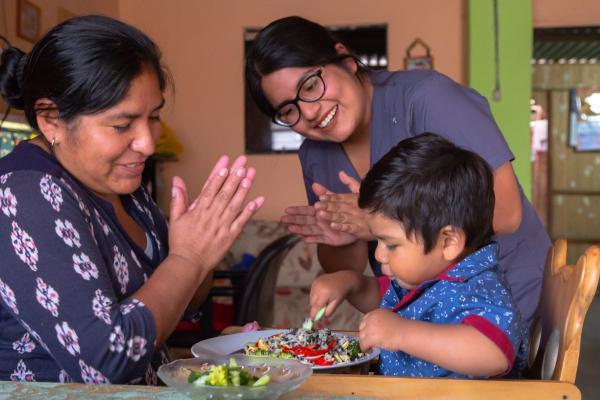
Because of its impact on children’s motor and cognitive development, anemia is a more serious health problem than it appears. In the long term, it can limit the formation of healthy and productive citizens for society.
Recent results of the 2022 Demographic and Family Health Survey (ENDES) reflect this worrying reality: 42.4 % of children aged 6 to 35 months suffer from anemia in Peru, which constitutes a public health problem for the country.
And anemia is not only a condition in which there is an insufficient amount of red blood cells to transport oxygen to the body. In the case of minors, this means that their reading, memory, reasoning, among other more, such as fine and gross skills, can be seriously affected.
“Many research studies refer that the damage caused by anemia in a child under 24 months of age is irreversible, given that it will end up affecting intellectual capacity during school performance and in adulthood,” explains Karen Ramos, head of the Maternal and Child Health Program at Socios En Salud (SES).
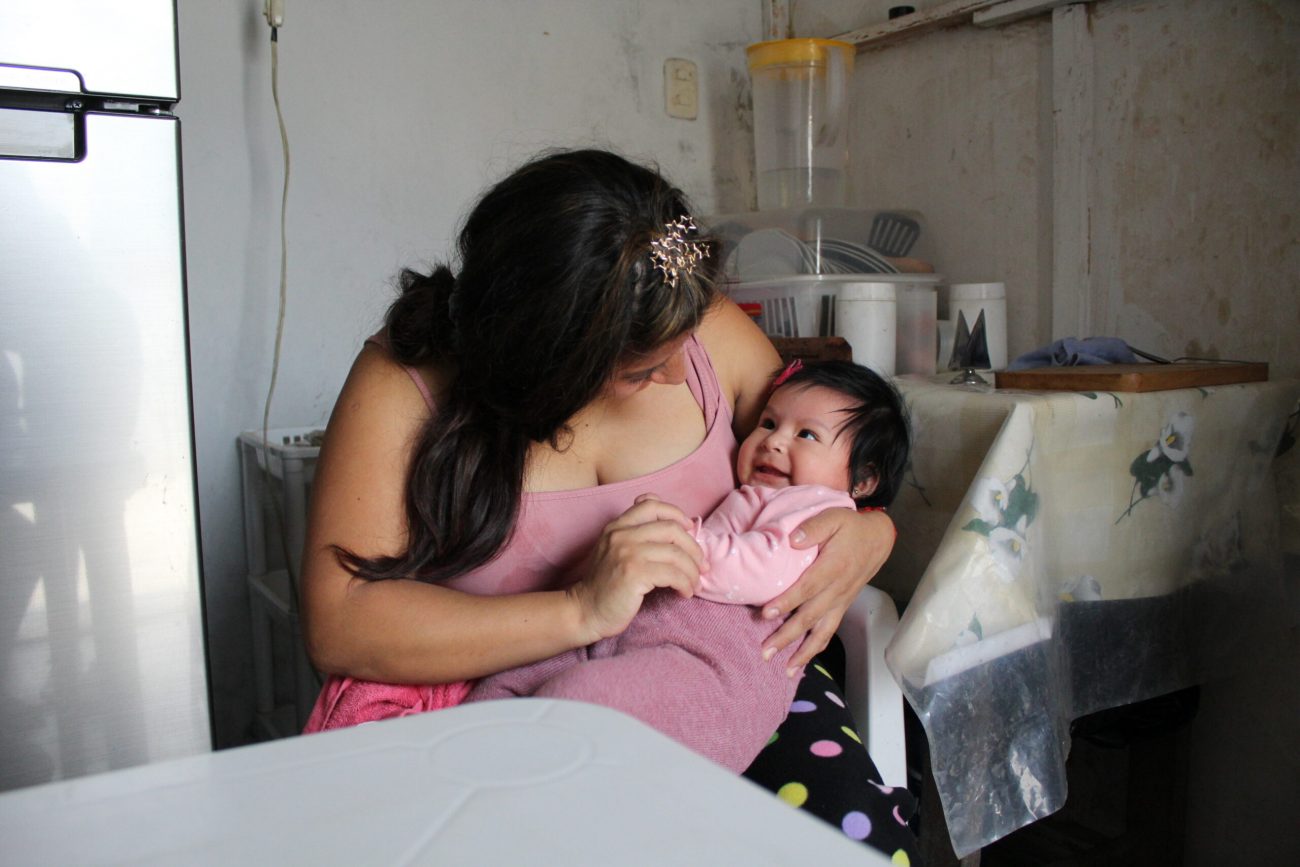
Breastfeeding is essential during the first 24 months of a child’s life, as it possesses lactoferrin, a protein that promotes iron absorption.
Factors to consider
Why is anemia still a problem in Peru? One of its main causes is iron deficiency, which is directly related to the lack of knowledge on the part of many parents and caregivers about how they should feed their children.
To this is added the refusal of many parents to treat anemia with iron supplements for fear of its adverse effects, which only appear if the dosage recommended by the health professional is not respected according to the weight of the child requiring supplementation.
“There are also other factors, such as parasitosis or the various episodes of diarrhea in children due to lack of access to drinking water,” says Ramos.
In this sense, the most vulnerable communities in the country are the most exposed to anemia in their children. Although it is not a condition exclusive to impoverished sectors, social inequalities contribute to these critical figures collected by the ENDES 2022, which, as we mentioned at the beginning, is a long-term problem: without children with physical and intellectual capacities according to their age because of anemia, their quality of life and that of their communities are at risk of not getting out of the circle of poverty that afflicts them.
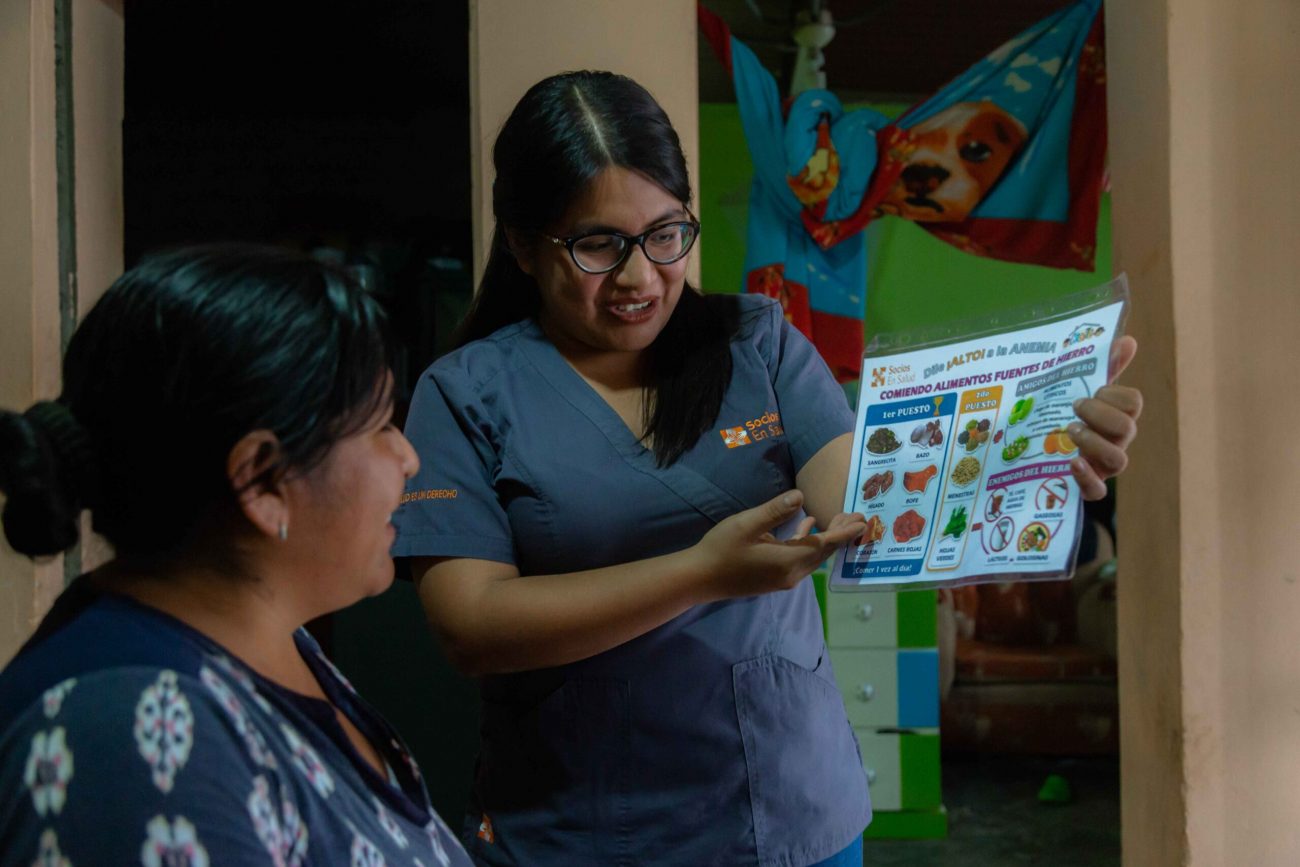
From the child health project, our community health agents provide accompaniment to parents and caregivers who have children with anemia.
Actions and healthy nutrition against anemia
According to Ms. Ramos, tackling this problem requires the participation of various actors. From the side of parents and caregivers is the commitment to regularly attend the growth, development and nutrition care of their children for optimal control of weight, height and hemoglobin of the child.
“This is the starting point to know if the child is healthy; other warning signs are related to irritability, paleness and lack of appetite,” explains the specialist.
In that sense, from the community, community health workers (CHWs) play an essential role in educating and disseminating key messages about the importance of taking children to their health checkups in a timely manner, as well as accompanying parents and caregivers in the correct administration of supplements, such as iron.
From the health system, the constant training of medical personnel to help parents resolve the adverse effects of some supplements, as well as to provide updated and clear information on how a healthy diet for children should be, is also a fundamental point in this joint work of multiple actors against anemia.
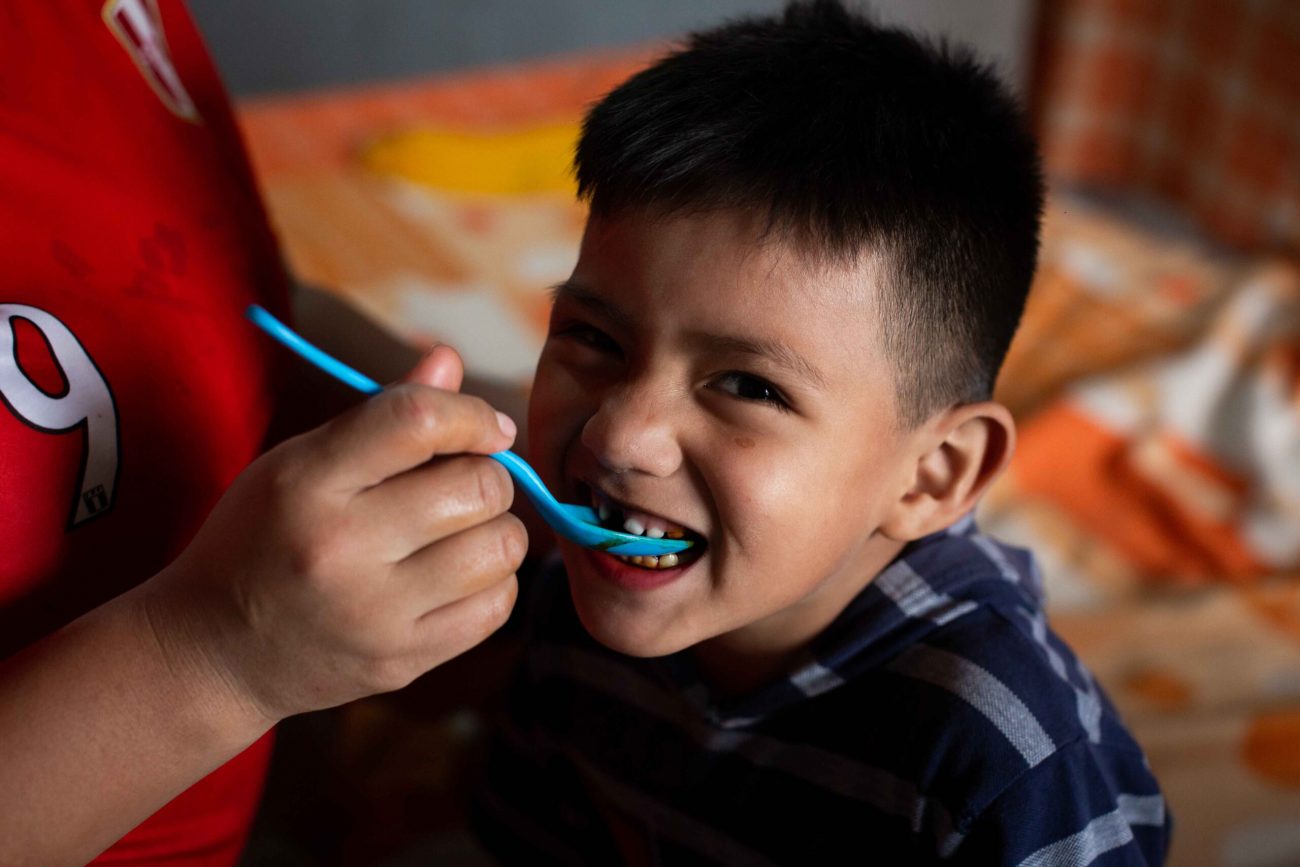
This accompaniment allows monitoring the consumption of iron supplements and also helps to know if the child is going through any adverse effects, to subsequently help resolve them.
Thus, the difference can start from home through iron-rich foods, which can be served at a frequency of three to four times a week, such as:
- Liver
- Bloodfish
- Small blood
- Beef
- Oily (and inexpensive) fish such as bonito or horse mackerel
- Red meat
Other iron-rich foods are menestras, which should be accompanied with other foods sources of vitamin C or beta-carotene (vitamin A), to improve iron absorption.
These and other actions will contribute to the fact that the levels of childhood anemia in the country, which had been decreasing from 2018 to 2021, will again tend to decline. However, it is important to understand that social gaps have widened as a consequence of the COVID-19 pandemic, the Peruvian instability and political crisis, and recently the climatic effects of the El Niño Phenomenon, which requires us to respond immediately.
Learn more about our work
.